As smart home technology becomes increasingly popular, many homeowners are unaware of the hidden electrical risks these devices can introduce. While smart homes offer convenience and efficiency, they also present unique challenges and potential hazards that are often overlooked. Understanding these risks is crucial for homeowners and property buyers to ensure safety and functionality.
Understanding Electrical Overloads
One of the most common issues in smart homes is electrical overloads. With numerous smart devices connected to a single network, there is a significant increase in electrical demand. This can lead to overloaded circuits, which pose a serious fire hazard. Homeowners should be aware of the electrical capacity of their homes and consider upgrading their electrical panels to accommodate increased usage.
- Smart thermostats, security cameras, and lighting systems can significantly increase power usage.
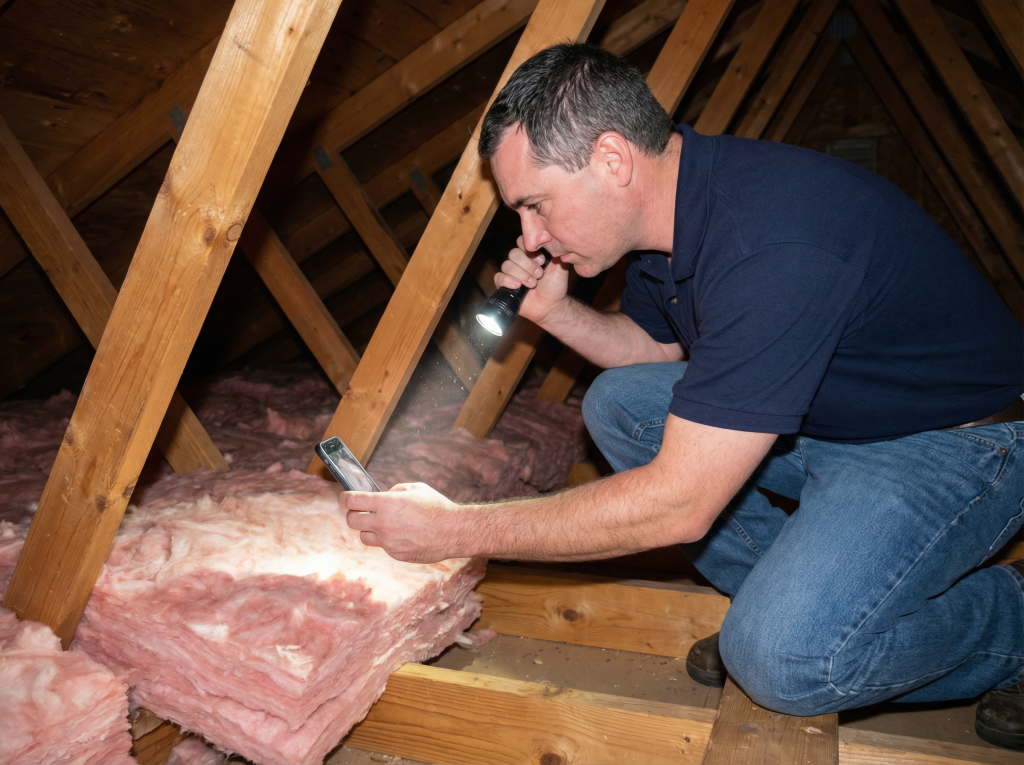
- Professional inspectors often recommend a thorough assessment of the home’s electrical system.
- Ensuring that circuit breakers and wiring are up to date is crucial for safety.
Wireless Interference and Connectivity Issues
Another overlooked risk is wireless interference. Smart homes rely heavily on wireless communication, and interference can disrupt the functionality of these devices. This can lead to inefficiencies and potential security vulnerabilities.
Professionals suggest the following precautions:
- Position routers and smart hubs strategically to minimize interference.
- Regularly update firmware and software to enhance connectivity.
- Consider using dual-band routers for better performance.
Compliance with Industry Standards
Adhering to industry standards and regulations is essential in minimizing risks associated with smart home technology. National and local electrical codes provide guidelines on safe installation and usage of electrical components.
Homeowners should look for:
- Certified installations by licensed professionals.
- Devices that comply with established safety standards.
- Regular inspections to ensure continued compliance.
By recognizing the unexpected risks associated with smart homes, homeowners can take proactive steps to enhance safety and efficiency. Regular inspections by qualified professionals can identify potential issues before they become major problems, ensuring peace of mind and long-term home safety.