
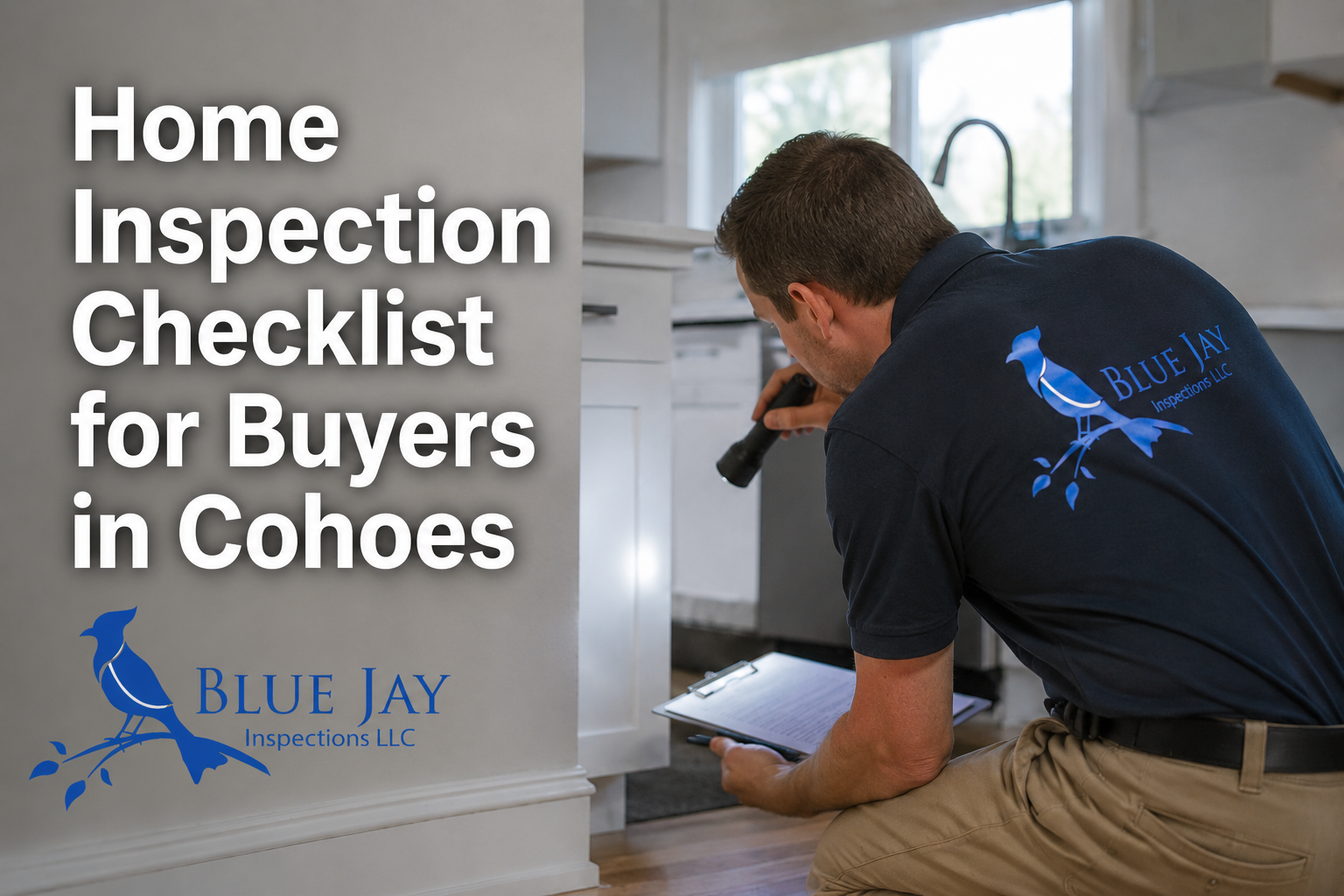
How a Checklist Can Help
Buying a home in Cohoes, NY is an exciting milestone, but it also comes with significant financial and maintenance responsibilities. One of the most important steps in the home-buying process is obtaining a thorough home inspection. A professional inspection helps identify potential issues before closing, allowing buyers to make informed decisions, negotiate repairs, and avoid unexpected expenses after moving in.
For buyers in Cohoes, a comprehensive home inspection checklist should include structural components, roofing, electrical systems, plumbing, HVAC equipment, moisture concerns, sewer lines, mold risks, and other issues commonly found in older Capital Region homes.
Whether you’re purchasing a historic property near downtown Cohoes or a newer home in a surrounding neighborhood, understanding what should be inspected can help protect your investment.
Why Home Inspections Are Essential for Cohoes Home Buyers
Many homes in Cohoes were built decades ago and may contain aging systems, deferred maintenance, or hidden defects that are not visible during a showing.
A professional home inspection helps buyers:
- Understand the home’s condition
- Identify safety concerns
- Estimate future repair costs
- Avoid unexpected surprises
- Negotiate repairs or credits
- Plan future maintenance
Even homes that appear well-maintained can have hidden issues that only become apparent during a detailed inspection.
Your Complete Home Inspection Checklist
Exterior Inspection Checklist
The exterior of the home provides important clues about overall maintenance and structural condition.
Roofing
Inspectors evaluate:
- Missing shingles
- Curling shingles
- Granule loss
- Roof leaks
- Flashing condition
- Chimney defects
- Roof drainage systems
- Attic ventilation
Gutters and Downspouts
Inspectors check for:
- Clogs
- Loose sections
- Improper drainage
- Missing extensions
- Water discharge near foundations
Siding and Exterior Surfaces
The inspection includes:
- Cracked siding
- Rotting trim
- Paint deterioration
- Moisture damage
- Settlement-related cracking
Driveways and Walkways
Inspectors look for:
- Trip hazards
- Settlement
- Cracking
- Drainage concerns
Foundation and Structural Checklist
Structural issues are among the most significant concerns for homebuyers.
Foundation Evaluation
Inspectors assess:
- Visible cracking
- Settlement
- Bowing walls
- Water intrusion
- Structural movement
Common Foundation Concerns in Cohoes
Older homes often experience:
- Freeze-thaw movement
- Masonry deterioration
- Settlement cracking
- Basement moisture intrusion
Not every crack indicates a major problem, but significant movement should always be evaluated carefully.
Basement Inspection Checklist
Basements often reveal hidden issues that affect the rest of the home.
Moisture and Water Intrusion
Inspectors look for:
- Damp walls
- Water stains
- Efflorescence
- Mold growth
- High humidity
- Active seepage
Why Basement Moisture Matters
Moisture can lead to:
- Mold growth
- Wood rot
- Structural deterioration
- Poor indoor air quality
Many inspection concerns begin with moisture management problems.
Electrical Inspection Checklist
Electrical safety is a major focus during home inspections.
Electrical Panel Evaluation
Inspectors check:
- Panel condition
- Breaker sizing
- Improper modifications
- Safety hazards
Common Electrical Issues Found in Older Homes
Inspectors frequently identify:
- Fuse boxes
- Federal Pacific panels
- Double-tapped breakers
- Ungrounded outlets
- Missing GFCI protection
- Improper wiring
Why Electrical Defects Matter
Electrical issues can increase the risk of:
- Fire hazards
- Shock hazards
- Insurance complications
Plumbing Inspection Checklist
Plumbing defects are among the most common findings during home inspections.
Water Supply System
Inspectors evaluate:
- Visible piping
- Leaks
- Corrosion
- Water pressure
- Pipe materials
Drainage Systems
Inspectors look for:
- Slow drains
- Leaks
- Improper repairs
- Drainage concerns
Water Heater Inspection
The inspection includes:
- Age
- Condition
- Safety components
- Installation quality
HVAC Inspection Checklist
Heating and cooling systems are major expenses for homeowners.
Heating System Evaluation
Inspectors assess:
- Furnace condition
- Boiler condition
- Venting
- Visible safety concerns
- Approximate age
Air Conditioning Evaluation
Inspectors check:
- Cooling performance
- Visible defects
- Condenser condition
- General operation
Questions Buyers Should Ask
- How old is the system?
- Has it been maintained regularly?
- Are repairs anticipated soon?
Attic Inspection Checklist
Attics often reveal moisture, ventilation, and insulation concerns.
Inspectors Evaluate
- Insulation levels
- Ventilation
- Roof leaks
- Mold growth
- Structural framing
- Exhaust vent terminations
Common Attic Issues
Inspectors frequently find:
- Inadequate ventilation
- Moisture buildup
- Mold growth
- Improper exhaust routing
Attic conditions often affect roof performance and indoor air quality.
Interior Inspection Checklist
Windows and Doors
Inspectors check:
- Operation
- Damage
- Seal failures
- Water intrusion indicators
Walls and Ceilings
Inspectors look for:
- Settlement cracks
- Water stains
- Structural concerns
- Evidence of previous repairs
Flooring
The inspection includes:
- Uneven surfaces
- Water damage
- Structural movement indicators
Mold Assessment Checklist
While mold is not always included in a standard home inspection, buyers should understand potential mold risks.
Signs Mold Testing May Be Needed
Consider a mold assessment if:
- Musty odors are present
- Visible mold is observed
- Water damage is evident
- Basement humidity is high
- Previous flooding occurred
Common Mold Locations
Inspectors frequently identify mold in:
- Basements
- Attics
- Crawlspaces
- Bathrooms
- Areas affected by leaks
Sewer Scope Inspection Checklist
One of the most valuable additional inspections for buyers is a sewer scope.
Sewer Scope Inspections Can Identify
- Root intrusion
- Cracked pipes
- Corrosion
- Bellied sewer lines
- Blockages
- Pipe offsets
Why Sewer Scopes Matter
Many sewer defects remain hidden until expensive repairs become necessary.
A sewer scope inspection can save buyers thousands of dollars in unexpected repair costs.
Water Quality Testing Checklist
For homes served by private wells, water quality testing is strongly recommended.
Water Testing May Evaluate
- Coliform bacteria
- E. coli
- Nitrates
- Iron levels
- Hard water
- Lead concerns
Water quality directly impacts health and property usability.
Well Flow Testing Checklist
If the property relies on a private well, buyers should consider well flow testing.
Common Well Issues
Testing may identify:
- Low flow rates
- Poor recovery
- Pump issues
- Pressure tank concerns
A reliable water supply is essential for long-term homeownership.
Wood Destroying Insect Inspection Checklist
Many lenders and buyers request Wood Destroying Insect (WDI) inspections.
Common Findings
Inspectors may identify:
- Termite activity
- Carpenter ants
- Wood rot
- Conditions conducive to infestation
Moisture problems often increase insect activity.
Questions Buyers Should Ask During the Inspection
Attending the inspection is highly recommended.
Helpful Questions
Are there any major safety concerns?
Understanding safety-related defects should be a priority.
What repairs should be addressed first?
Not all issues require immediate action.
Which systems are nearing the end of their useful life?
This helps buyers budget for future expenses.
Are additional inspections recommended?
Your inspector may recommend:
- Sewer scope inspections
- Mold assessments
- Structural evaluations
- Water testing
- Septic inspections
Common Mistakes Buyers Make
Focusing Only on Cosmetic Issues
Fresh paint and updated finishes can hide more significant problems.
Skipping Additional Inspections
Some of the most expensive defects involve:
- Sewer lines
- Mold
- Water quality
- Septic systems
Ignoring Maintenance Items
Small issues can become larger problems over time.
Understanding maintenance needs helps buyers plan for future ownership costs.
Why Local Experience Matters
Homes in Cohoes have unique characteristics that local inspectors understand.
A local inspector is familiar with:
- Older home construction
- Foundation concerns
- Moisture issues
- Sewer infrastructure
- Regional weather impacts
- Mold risks
Local knowledge helps provide more accurate evaluations and recommendations.
Schedule a Home Inspection in Cohoes, NY
A professional home inspection is one of the smartest investments buyers can make before purchasing a property.
Blue Jay Inspections provides comprehensive inspection services throughout Cohoes and the Capital Region, including:
- Home inspections
- Sewer scope inspections
- Mold assessments
- Water quality testing
- Well flow testing
- Wood Destroying Insect inspections
- Septic inspections
A thorough inspection helps buyers understand the true condition of a property and move forward with confidence.