
Quick Answer
You should schedule a mold assessment in your Loudonville home when you notice visible mold, detect musty odors, experience unexplained health symptoms, or before/after real estate transactions—especially if the home has had moisture issues, flooding, or high humidity.
Why Mold Assessments Matter in Loudonville, NY
Loudonville and surrounding Capital Region communities—like Latham, Colonie, Niskayuna, and Albany—experience seasonal humidity, snowmelt, and basement moisture issues, all of which create ideal conditions for mold growth.
Mold is not always visible. It can develop behind walls, under flooring, in attics, and within HVAC systems. A professional NYS Mold Assessment helps identify:
- Whether mold is present
- The type and concentration of spores
- The source of moisture causing the problem
- Whether remediation is necessary
In New York State, mold assessments must be conducted by a licensed Mold Assessor, separate from the remediation company, ensuring unbiased results.
Key Signs You Need a Mold Assessment
1. Persistent Musty Odors
A musty or earthy smell is often the first sign of hidden mold—even if you don’t see it. This is especially common in:
- Basements
- Crawl spaces
- Attics
- Older homes in Loudonville and surrounding areas
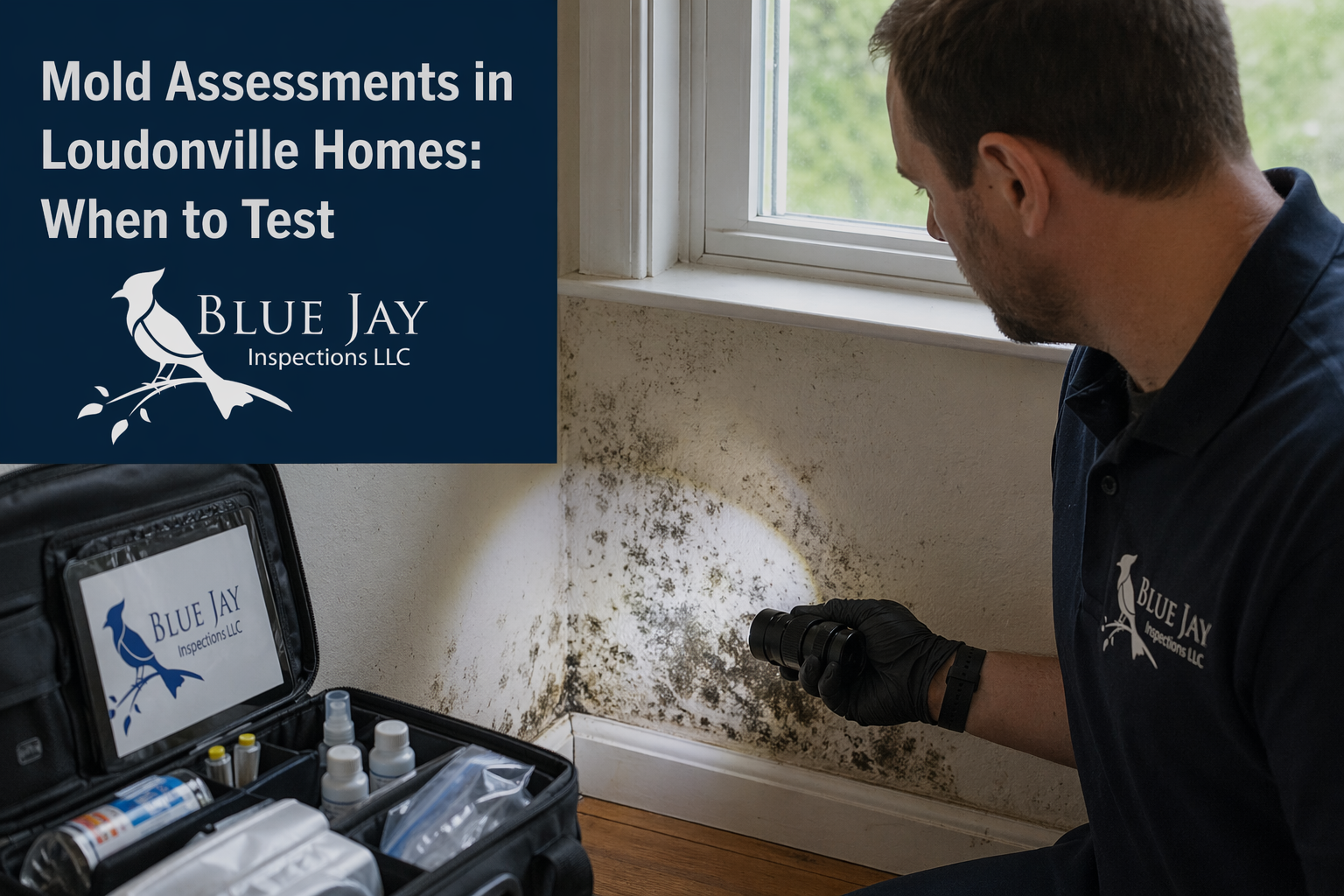
2. Visible Mold Growth
If you see discoloration (black, green, white, or orange spots), testing is recommended to:
- Confirm the type of mold
- Determine if it has spread beyond visible areas
- Establish a proper remediation plan
3. Recent Water Damage
Water is the primary driver of mold growth. You should test after:
- Basement flooding
- Roof leaks
- Ice damming (common in Upstate NY winters)
- Plumbing leaks or appliance failures
Even if surfaces appear dry, mold can begin growing within 24–48 hours.
4. Health Symptoms Without Clear Cause
Some individuals react to mold exposure with:
- Sneezing or congestion
- Eye irritation
- Skin rashes
- Respiratory issues
If symptoms improve when leaving the home, mold could be a contributing factor.
5. Buying or Selling a Home
Mold assessments are often requested during real estate transactions in Loudonville, Saratoga, and surrounding markets.
Buyers use them to:
- Avoid unexpected remediation costs
- Ensure a safe living environment
Sellers use them to:
- Provide transparency
- Prevent deal delays
6. High Humidity or Poor Ventilation
Homes with humidity levels above 60% are at higher risk. Problem areas include:
- Bathrooms without exhaust fans
- Laundry rooms
- Poorly ventilated attics
When You Should NOT Delay Testing
Some situations require immediate action:
| Situation | Why It’s Urgent |
|---|---|
| Flooding or standing water | Mold growth begins quickly |
| Strong, persistent odors | Indicates hidden mold colonies |
| Immunocompromised occupants | Increased health risks |
| Failed prior remediation | Mold may still be present |
What a Professional Mold Assessment Includes
A licensed mold assessor—like Blue Jay Inspections—follows a structured process:
Visual Inspection
- Identifies visible mold and moisture intrusion
- Checks high-risk areas like basements, attics, and HVAC systems
Moisture Detection
- Uses tools like moisture meters and thermal imaging
- Locates hidden water sources behind walls and ceilings
Air and Surface Sampling
- Collects samples for laboratory analysis
- Determines spore types and concentration levels
Detailed Report & Protocol (If Needed)
If mold is found, you’ll receive a remediation protocol, which includes:
- Scope of work for cleanup
- Containment recommendations
- Clearance criteria after remediation
Mold Assessment vs. Mold Inspection: What’s the Difference?
In New York State, the term “mold assessment” has a specific legal meaning.
| Term | Meaning |
|---|---|
| Mold Assessment | Licensed evaluation + testing + remediation plan |
| Mold Inspection | General visual review (may not include lab testing or protocol) |
For real estate transactions and legal compliance, a licensed mold assessment is the gold standard.
Common Mold Problem Areas in Loudonville Homes
Homes in Loudonville and nearby areas like Delmar, Glenmont, and East Greenbush often experience mold in:
- Finished basements
- Attics with poor ventilation
- Around windows and exterior walls
- Under sinks and behind appliances
- HVAC ductwork
Older homes and properties with recent renovations are especially prone due to trapped moisture and air sealing changes.
How to Prevent Mold Growth
While assessments are critical, prevention is equally important:
- Keep indoor humidity between 30–50%
- Use dehumidifiers in basements
- Fix leaks immediately
- Ensure proper attic and bathroom ventilation
- Clean and maintain gutters and downspouts
Why Choose a Local Mold Assessor in Loudonville
Hiring a local expert like Blue Jay Inspections ensures:
- Knowledge of Upstate NY climate conditions
- Familiarity with local construction styles
- Fast scheduling for real estate timelines
- Compliance with NYS mold licensing laws
Final Thoughts
Mold problems in Loudonville homes are often tied to moisture—and moisture issues are common in the Capital Region. The key is early detection.
If you notice odors, water damage, or are involved in a home transaction, a professional mold assessment provides the clarity you need to make informed decisions.