
The Short Answer
Basements in Glenmont, NY are particularly prone to mold growth due to high moisture levels, seasonal humidity, groundwater intrusion, and poor ventilation. The most common warning signs include musty odors, visible discoloration on walls or ceilings, condensation, and past water damage. Identifying and addressing these early can prevent costly repairs and health concerns.
Why Basements in Glenmont Are Vulnerable to Mold
Glenmont and surrounding Capital Region communities—such as Delmar, Bethlehem, Selkirk, New Scotland, Albany, East Greenbush, and North Greenbush—experience a mix of humid summers, wet springs, and freezing winters. These conditions create ideal environments for mold growth in below-grade spaces.
Key Contributing Factors
1. High Groundwater Levels
Many homes in Glenmont sit on soil that retains moisture. After heavy rains or snowmelt, water can seep through:
- Foundation cracks
- Basement walls
- Floor joints
Even minor seepage can elevate humidity levels enough for mold to develop.
2. Poor Drainage Around the Home
Improper grading or clogged gutters can direct water toward the foundation instead of away from it. This is a common issue in neighborhoods across:
- Glenmont
- Slingerlands
- Voorheesville
- Altamont
3. Basement Humidity and Condensation
Warm, humid air entering a cool basement condenses on:
- Pipes
- Concrete walls
- HVAC ductwork
This creates persistent damp surfaces—ideal for mold colonies.
4. Limited Ventilation
Basements often lack airflow. Without proper ventilation, moisture becomes trapped, especially in finished basements common in Colonie, Guilderland, and Latham homes.
Common Mold Warning Signs to Watch For
Homebuyers, sellers, and real estate agents should pay close attention to these red flags during showings or inspections:
Musty or Earthy Odors
A persistent damp smell is often the first sign of hidden mold, even if nothing is visible.
Visible Mold Growth
Look for:
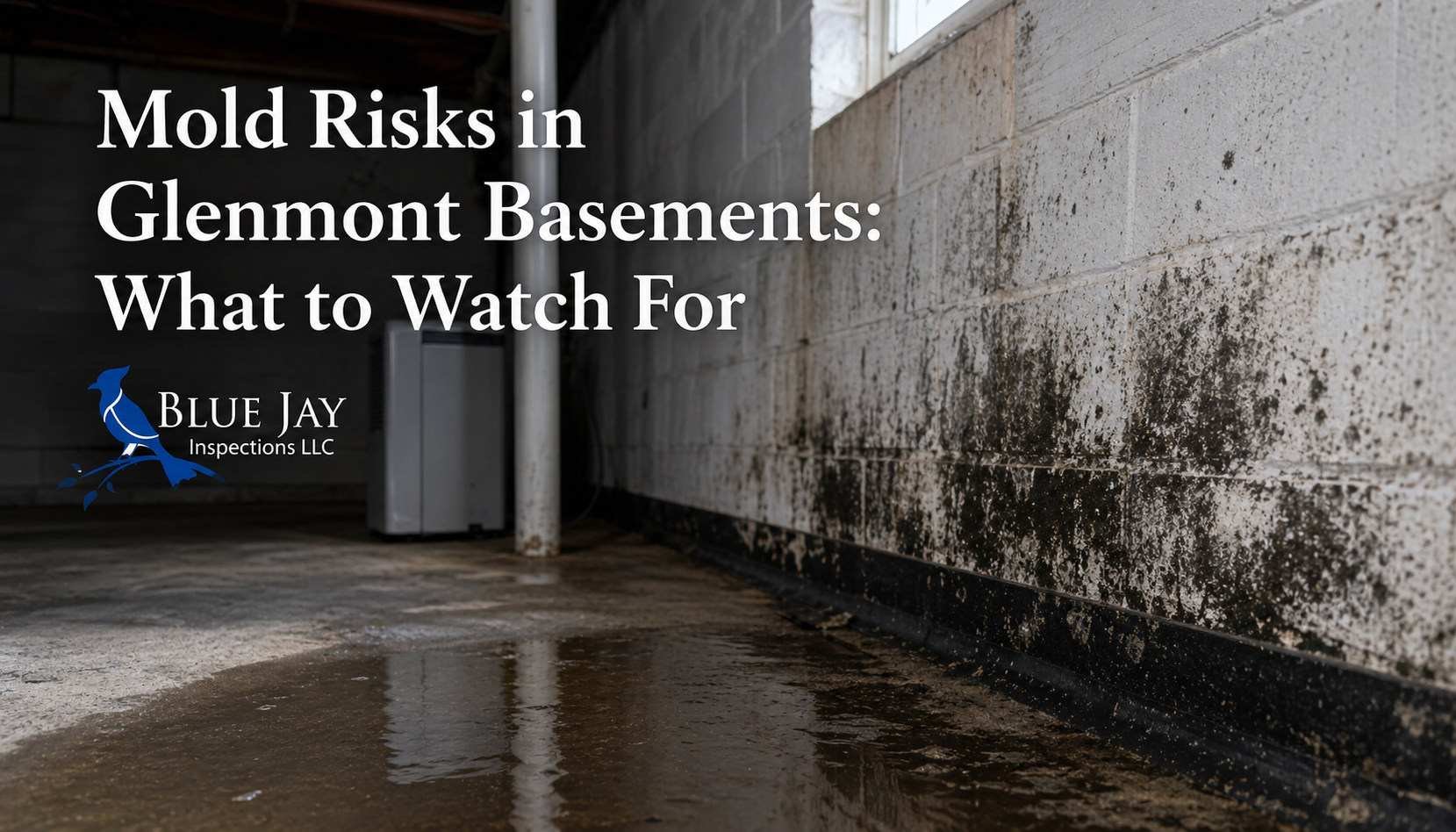
- Black, green, or white patches
- Fuzzy or slimy textures
- Growth on drywall, wood framing, or insulation
Water Stains or Past Damage
Discoloration on walls or ceilings may indicate previous leaks—prime conditions for mold growth.
Efflorescence on Walls
White, chalky residue on concrete or masonry indicates water intrusion, which often accompanies mold issues.
Peeling Paint or Warped Materials
Moisture buildup can cause:
- Bubbling paint
- Warped paneling
- Soft drywall
High-Risk Areas in the Basement
Certain spots are more prone to mold than others:
| Area | Why It’s Vulnerable |
|---|---|
| Around sump pumps | Frequent water activity |
| Near foundation walls | Direct contact with soil moisture |
| Under carpeting or finished floors | Traps moisture unnoticed |
| Around windows | Poor sealing allows water intrusion |
| Utility rooms | Heat + humidity from appliances |
Mold Risks During Real Estate Transactions
For Homebuyers
A mold issue can lead to:
- Unexpected remediation costs
- Indoor air quality concerns
- Financing or insurance complications
For Sellers
Undiscovered mold can:
- Delay closings
- Trigger renegotiations
- Require disclosure under New York State property laws
For Real Estate Agents
Recommending a professional mold assessment helps protect clients and ensures smoother transactions.
Professional Mold Assessments in Glenmont
In New York, mold assessments must follow strict regulations. A NYS Licensed Mold Assessor:
- Identifies the source of moisture
- Determines the extent of mold growth
- Provides a remediation protocol (if needed)
- Performs clearance testing after remediation
This is especially important in Glenmont and nearby areas like Rensselaer, Cohoes, Watervliet, Troy, and Saratoga Springs, where older homes and fluctuating weather increase risk.
How to Prevent Mold in Your Basement
Control Moisture First
- Install or maintain a sump pump
- Ensure gutters and downspouts direct water away
- Seal foundation cracks
Manage Indoor Humidity
- Use a dehumidifier (keep humidity below 50%)
- Insulate cold surfaces to reduce condensation
Improve Ventilation
- Add basement ventilation or air exchange systems
- Keep air circulating, especially in finished spaces
Regular Inspections
Routine home inspections and mold assessments can catch problems early—before they escalate.
When to Call a Professional
You should schedule a mold assessment if:
- You notice persistent odors
- There has been recent water intrusion
- You’re buying or selling a home
- You see visible mold growth
Blue Jay Inspections provides NYS Mold Assessments and clearance testing throughout Glenmont and the greater Capital Region, along with comprehensive home inspections and environmental testing services.
Final Thoughts
Mold in Glenmont basements is not uncommon—but it is manageable when caught early. Understanding the local environmental conditions, warning signs, and prevention strategies is key to protecting your home and your investment.
Whether you’re a homebuyer evaluating a property, a seller preparing for listing, or an agent guiding clients, a proactive approach to mold can save time, money, and stress.