
Why Mold Testing?
If you’re buying, selling, or owning a home in Rensselaer, NY, mold can be one of the most concerning issues you encounter. Mold testing is not necessary in every situation, but it can be extremely valuable when there are signs of moisture problems, visible mold growth, musty odors, previous water damage, health concerns, or uncertainty about indoor air quality. The key is understanding when mold testing provides useful information and when a professional mold assessment may be more appropriate.
Because Rensselaer experiences humid summers, cold winters, heavy precipitation, and seasonal snowmelt, homes in the area can be vulnerable to moisture-related problems that create ideal conditions for mold growth. Older homes, finished basements, poorly ventilated attics, and properties with a history of water intrusion often present the highest risk.
Whether you are a homebuyer, seller, or homeowner, understanding when mold testing is needed can help protect both your property and your family’s health.
Why Mold Is Common in Rensselaer Homes
Mold requires three things to grow:
- Moisture
- Organic material
- Suitable temperatures
Most homes naturally provide organic materials such as wood, drywall, insulation, and dust. When excess moisture is introduced, mold can begin growing within 24 to 48 hours.
Common Moisture Sources in Rensselaer Homes
Mold often develops because of:
- Basement seepage
- Roof leaks
- Plumbing leaks
- Condensation
- Poor ventilation
- Ice dam damage
- Flooding events
- High indoor humidity
Many mold problems begin in hidden areas where moisture goes unnoticed for extended periods.
What Is Mold Testing?
Mold testing is a process used to evaluate whether elevated mold conditions exist within a home.
Testing may involve:
- Air sampling
- Surface sampling
- Moisture measurements
- Humidity testing
- Visual inspections
Testing helps determine whether mold levels are normal or elevated compared to outdoor conditions.
However, mold testing alone does not identify the cause of the problem. The source of moisture must also be located and corrected.
What Is a Mold Assessment?
In New York State, mold assessments are regulated activities that must be performed by a licensed Mold Assessor.
A mold assessment typically includes:
- Visual inspection
- Moisture investigation
- Identification of affected areas
- Sampling recommendations
- Remediation protocol development
The assessment identifies the source of the mold problem and outlines what should be done to correct it.
When Mold Testing Is Recommended
You Notice a Persistent Musty Odor
One of the most common reasons homeowners seek mold testing is a strong musty smell.
Why Musty Odors Matter
Musty odors often indicate:
- Hidden mold growth
- Excess moisture
- Poor ventilation
- Water intrusion
Even when mold is not visible, a persistent odor may suggest mold growth behind walls, beneath flooring, or inside attic and basement spaces.
Visible Mold Growth Is Present
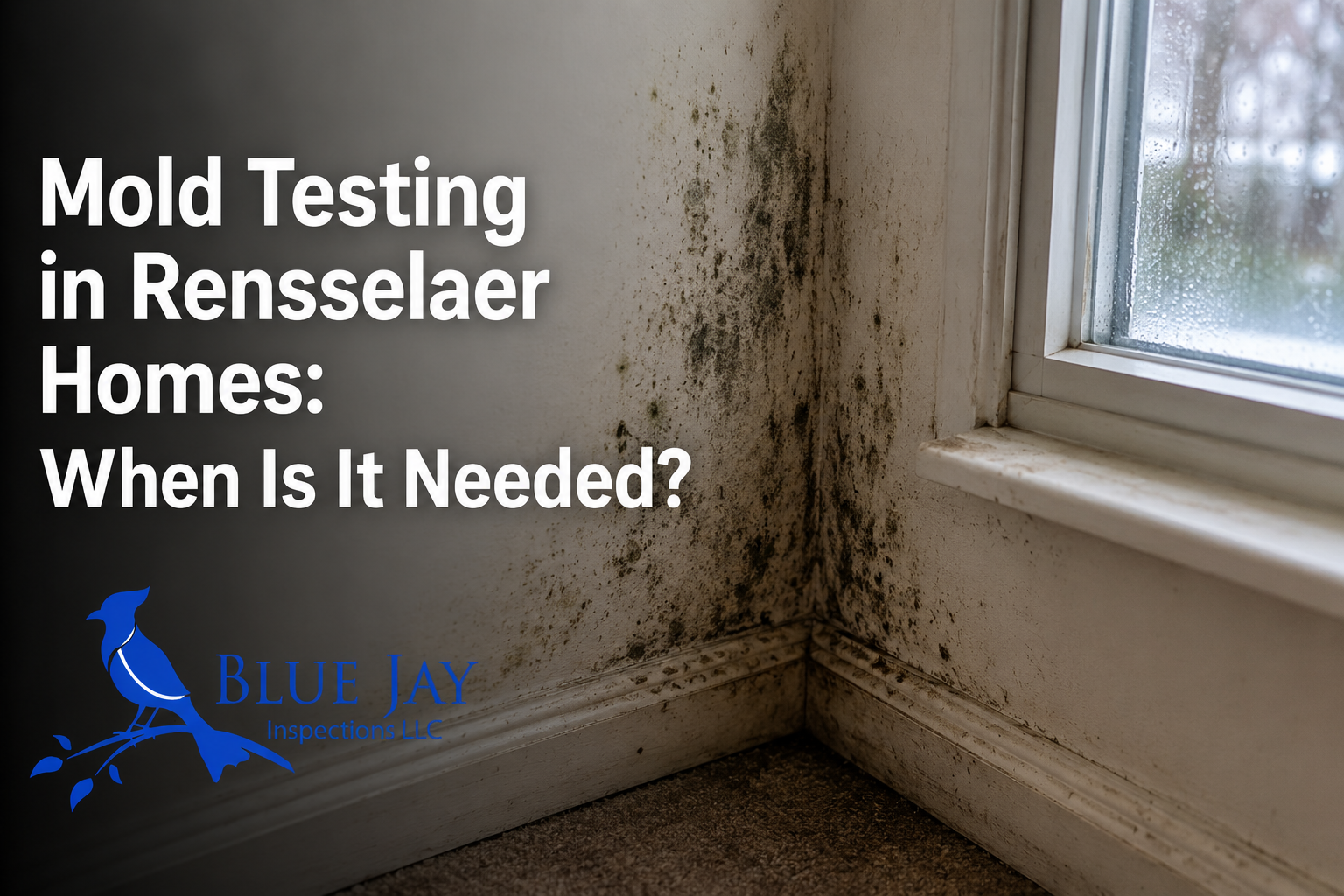
If visible mold is already present, testing may help determine the extent of contamination.
Common Locations for Visible Mold
Inspectors frequently find mold:
- On basement walls
- Around windows
- Under sinks
- In attics
- Around HVAC components
- Behind furniture placed against exterior walls
Visible mold almost always indicates an underlying moisture problem that requires correction.
A Home Has Experienced Water Damage
Water damage significantly increases the risk of mold growth.
Common Water Damage Events
Examples include:
- Flooding
- Roof leaks
- Burst pipes
- Appliance leaks
- Foundation seepage
- Ice dam intrusion
If materials remained wet for more than a day or two, mold may have developed even if repairs were later completed.
You Are Buying a Home
Homebuyers frequently request mold assessments when concerns arise during a real estate transaction.
Situations That May Warrant Testing
Buyers may consider mold testing if:
- Musty odors are present
- Water stains are visible
- The basement appears damp
- Mold growth is observed
- The seller reports previous water damage
- The home has a history of flooding
Testing can provide valuable information before closing.
Occupants Are Experiencing Health Concerns
Some individuals may be more sensitive to mold exposure than others.
Common Complaints Associated With Poor Indoor Air Quality
Occupants sometimes report:
- Allergy symptoms
- Nasal irritation
- Eye irritation
- Persistent coughing
- Respiratory discomfort
While mold testing cannot diagnose medical conditions, it may help identify environmental factors that contribute to indoor air quality concerns.
The Basement Shows Signs of Moisture
Basements are among the most common areas where mold develops.
Basement Warning Signs
Inspectors often observe:
- Water staining
- Efflorescence
- High humidity
- Damp walls
- Condensation
- Mold growth on framing
Even unfinished basements can support significant mold growth when moisture is present.
Attic Moisture Problems Are Present
Attics are another common location for mold development.
Common Causes of Attic Mold
Attic mold often results from:
- Inadequate ventilation
- Bathroom exhaust fans venting into attics
- Roof leaks
- Excess indoor humidity
Because attic mold may not be visible from living spaces, many homeowners remain unaware of the problem until an inspection occurs.
When Mold Testing May Not Be Necessary
Not every mold concern requires laboratory testing.
When Mold Is Clearly Visible
If significant mold growth is obvious, testing may not change the recommended course of action.
The priority becomes:
- Identifying the moisture source
- Correcting the moisture problem
- Properly remediating affected materials
Testing is often most useful when contamination is suspected but not clearly visible.
Common Areas Where Mold Is Found in Rensselaer Homes
Basements
Basements are especially vulnerable because of:
- Groundwater intrusion
- Condensation
- Poor ventilation
- Humidity
Attics
Attics frequently develop mold because of ventilation deficiencies and roof leaks.
Crawlspaces
Crawlspaces often experience:
- Elevated humidity
- Ground moisture
- Inadequate airflow
Bathrooms
Bathrooms are common mold locations due to:
- Steam
- Condensation
- Inadequate exhaust ventilation
What Happens After Mold Testing?
The results help determine whether elevated mold conditions exist and whether additional investigation or remediation may be needed.
Depending on findings, recommendations may include:
- Moisture control improvements
- Ventilation upgrades
- Leak repairs
- Professional mold remediation
- Post-remediation verification testing
Correcting the moisture source is always the most important step.
Mold Testing for Sellers
Sellers sometimes choose mold testing before listing their homes.
Benefits for Sellers
Pre-listing mold assessments can:
- Identify hidden issues early
- Reduce buyer concerns
- Improve transparency
- Prevent last-minute surprises during inspections
Addressing mold concerns before listing often results in smoother transactions.
Mold Testing for Buyers
Buyers often have limited opportunities to evaluate a home’s environmental conditions before closing.
A mold assessment can provide additional peace of mind when concerns exist.
Benefits for Buyers
Testing may help:
- Identify hidden moisture problems
- Confirm elevated mold conditions
- Support repair negotiations
- Improve purchasing decisions
Knowing the property’s condition before closing can help buyers avoid unexpected expenses.
How to Prevent Mold Growth in Your Home
Preventing mold begins with controlling moisture.
Mold Prevention Tips
Maintain Proper Drainage
Ensure gutters and downspouts direct water away from the foundation.
Control Indoor Humidity
Maintain indoor humidity levels below approximately 60 percent.
Repair Leaks Promptly
Address roof leaks, plumbing leaks, and foundation seepage quickly.
Improve Ventilation
Use exhaust fans in:
- Bathrooms
- Kitchens
- Laundry rooms
Monitor Basements
Watch for early signs of moisture intrusion before mold develops.
Why Local Experience Matters
Homes in Rensselaer face unique environmental conditions that can contribute to mold growth.
A local inspector or licensed mold assessor understands:
- Regional moisture issues
- Seasonal weather impacts
- Common basement conditions
- Older home construction methods
- Local ventilation challenges
This experience helps ensure more accurate assessments and recommendations.
Schedule a Mold Assessment in Rensselaer, NY
If you’re concerned about mold, musty odors, water damage, or indoor air quality, a professional mold assessment can help identify potential issues and determine whether remediation is needed.
Blue Jay Inspections provides NYS Mold Assessments, mold clearances, and moisture evaluations throughout Rensselaer and the surrounding Capital Region.
Whether you are buying, selling, or maintaining a home, understanding when mold testing is needed can help protect your investment and provide greater peace of mind.