In the realm of homeownership, the adage “what you can’t see can hurt you” rings particularly true. Hidden faults, often invisible to the untrained eye, can lead to significant structural issues if left unchecked. Understanding these potential hazards is essential for maintaining the safety and value of any property.
Common Structural Concerns
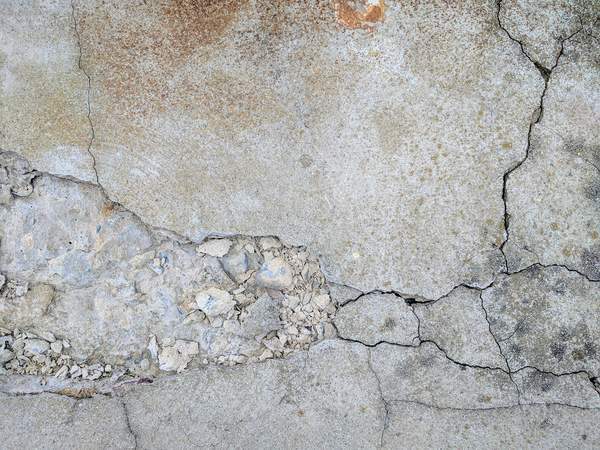
Structural integrity is paramount for any home. Professionals often identify issues such as foundation cracks, which can indicate settlement problems or water infiltration. These cracks typically appear as vertical lines and can widen over time, compromising the stability of the structure. Additionally, warped or shifting floors may suggest underlying foundation issues or moisture problems.
- Foundation Cracks: Vertical cracks may indicate settling, while horizontal ones could suggest serious structural stress.
- Shifting Floors: Uneven or sagging floors often point to potential foundation shifts or moisture damage.
Industry standards recommend that homes be evaluated for these issues during routine inspections, ensuring that any potential problems are identified and addressed promptly.
The Importance of Regular Inspections
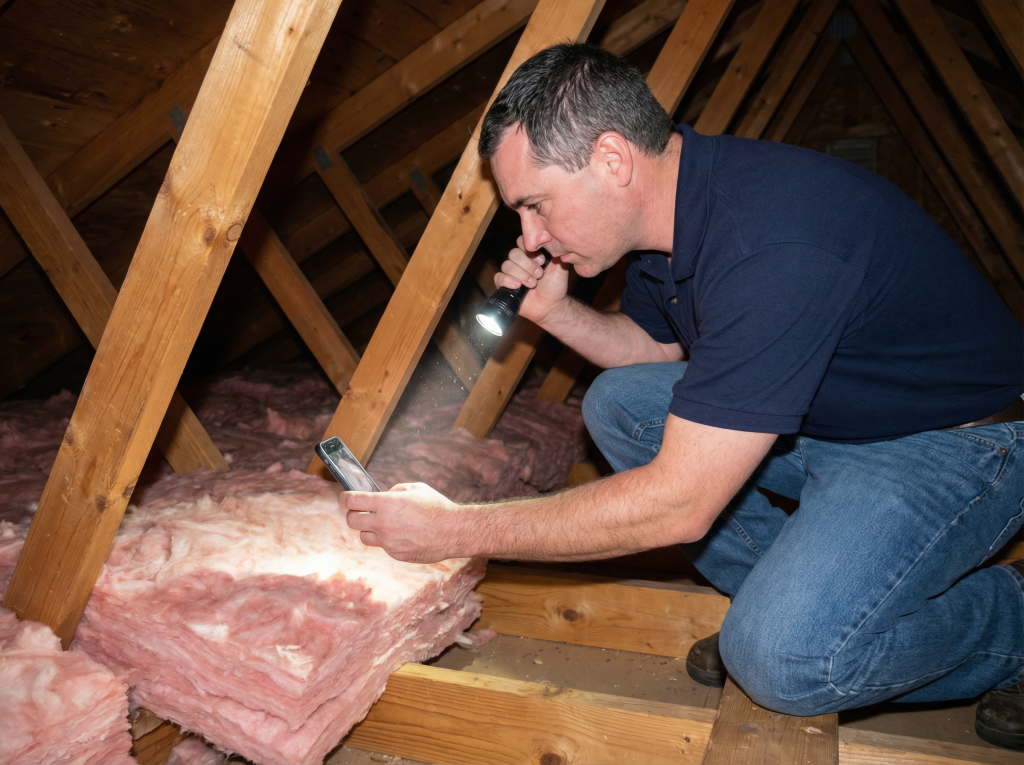
Routine inspections are crucial in safeguarding a home’s structural integrity. Inspectors utilize advanced tools like moisture meters and infrared cameras to detect invisible issues such as hidden water leaks or insulation deficiencies. These tools allow for a comprehensive assessment of the property, ensuring that no stone is left unturned.
Homeowners should schedule regular inspections with certified professionals who adhere to industry standards and regulations. This proactive approach not only identifies current issues but also helps prevent future problems, ultimately protecting the property’s value and safety.
Practical Steps to Prevent Damage
To mitigate the risk of structural damage, homeowners can take several proactive measures:
- Regularly inspect and maintain drainage systems to prevent water accumulation near the foundation.
- Ensure proper attic ventilation to reduce moisture build-up.
- Monitor the condition of exterior siding and roofing for signs of wear or damage.
These steps, coupled with regular professional inspections, can significantly reduce the risk of hidden faults affecting a home.
In summary, understanding and addressing invisible structural faults is crucial for any homeowner. By engaging the services of professional inspectors and adhering to preventative maintenance practices, homeowners can protect their investment and ensure a safe living environment.