
Benefits of Getting an Inspection for Your Rural Property
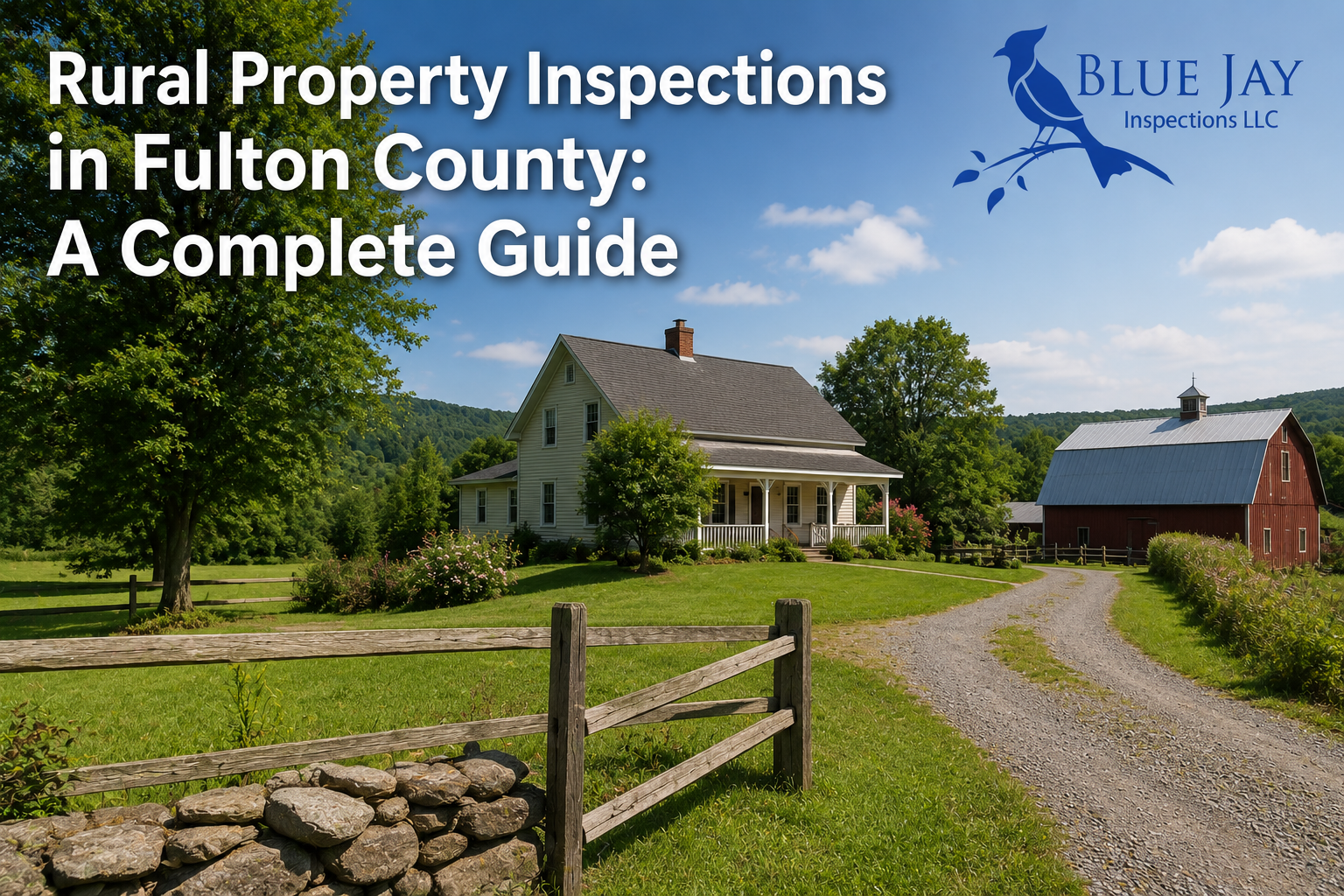
Purchasing a rural property in Fulton County can offer privacy, acreage, beautiful scenery, and a lifestyle that’s difficult to find in more developed communities. However, rural homes often have unique systems and conditions that require more extensive evaluation than a typical suburban property.
The short answer is this: rural property inspections are especially important because rural homes often rely on private wells, septic systems, outbuildings, long driveways, and other features that can involve significant repair or replacement costs. A thorough inspection helps buyers understand the condition of these systems before they finalize the purchase.
Whether you’re considering a home in Johnstown, Gloversville, Broadalbin, Mayfield, Caroga Lake, Bleecker, Ephratah, Oppenheim, Perth, or another rural area of Fulton County, understanding what a rural property inspection includes can help you make a more informed decision.
Why Rural Properties Require More Extensive Inspections
Many buyers assume that a home inspection for a rural property is the same as any other home inspection.
In reality, rural homes often have additional systems and structures that require careful evaluation.
Unlike homes connected to municipal utilities, rural properties frequently depend on:
- Private wells
- Septic systems
- Propane systems
- Long private driveways
- Detached garages
- Barns and outbuildings
- Private roads
- Agricultural structures
- Wood-burning appliances
- Extensive drainage systems
Each of these components can represent substantial future expenses if problems exist.
What Is Included in a Rural Property Inspection?
A comprehensive rural property inspection evaluates the home’s major systems while also considering unique rural features.
Structural Components
Inspectors evaluate:
- Foundation systems
- Basement conditions
- Crawl spaces
- Structural framing
- Floor systems
- Wall structures
- Roof framing
Rural homes may be older and have undergone multiple additions or renovations over the years, making structural evaluations particularly important.
Roofing Systems
The roof is one of the most critical components of any home.
Inspectors assess:
- Roofing materials
- Flashing
- Chimneys
- Ventilation
- Roof penetrations
- Signs of leaks
- Remaining service life
Rural properties often have multiple structures with separate roofing systems that may require evaluation.
Electrical Systems
Electrical concerns are commonly found in older rural homes.
Inspections typically include:
- Service entrance
- Main panel
- Subpanels
- Wiring methods
- Grounding and bonding
- Receptacles
- Safety concerns
Many rural properties contain older wiring systems that may no longer meet modern safety standards.
Heating Systems
Heating is especially important in Upstate New York.
Inspectors evaluate:
- Furnaces
- Boilers
- Heat pumps
- Wood stoves
- Pellet stoves
- Fuel storage systems
- Distribution systems
Because winters can be severe, reliable heating is essential.
Plumbing Systems
The inspection includes:
- Supply piping
- Drain systems
- Fixtures
- Water heaters
- Pressure concerns
- Leak detection
When private wells are present, additional testing is often recommended.
Private Wells: A Major Consideration
Many rural properties throughout Fulton County rely on private wells.
Unlike municipal water systems, the homeowner is responsible for maintaining the well system.
Recommended Well Services
Buyers should strongly consider:
Well Flow Testing
A well flow test measures:
- Water production rate
- Recovery performance
- System pressure
- Sustainable water supply
This helps determine whether the well can adequately support household demands.
Water Quality Testing
Water quality testing may evaluate:
- Total coliform bacteria
- E. coli
- Nitrates
- Lead
- Other contaminants
Water that appears clean may still contain contaminants that require treatment.
Septic Systems: What Buyers Need to Know
Many rural homes in Fulton County use private septic systems.
A failing septic system can cost thousands of dollars to repair or replace.
Septic Inspections Can Evaluate
- Tank condition
- Sludge levels
- Distribution components
- Drain field performance
- Visible signs of failure
A standard home inspection does not fully evaluate underground septic components.
A separate septic inspection is often recommended.
Outbuildings and Agricultural Structures
One of the biggest differences between rural and suburban properties is the presence of additional structures.
Inspectors may evaluate:
Detached Garages
Potential concerns include:
- Foundation settlement
- Roof damage
- Electrical hazards
- Structural deterioration
Barns
Older barns may have:
- Structural movement
- Roof deterioration
- Foundation concerns
- Safety hazards
Workshops and Storage Buildings
These structures can add significant value—but also significant repair costs.
Drainage and Grading Issues
Drainage is often overlooked by buyers.
Poor drainage can contribute to:
- Basement moisture
- Foundation movement
- Mold growth
- Septic system problems
- Erosion
Inspectors assess how water moves across the property and whether grading appears adequate.
Driveways and Access Roads
Rural properties often include long driveways or private roads.
Potential issues may include:
- Drainage failures
- Washouts
- Surface deterioration
- Culvert problems
- Maintenance responsibilities
These concerns can become costly if not identified before purchase.
Common Problems Found During Rural Property Inspections
Deferred Maintenance
Many rural homes have been maintained over decades by multiple owners.
Inspectors frequently find:
- Aging systems
- Delayed repairs
- Outdated components
Moisture Intrusion
Water intrusion can occur due to:
- Poor grading
- Roof leaks
- Foundation cracks
- Inadequate drainage
Older Electrical Systems
Common concerns include:
- Obsolete panels
- Ungrounded wiring
- Improper modifications
- Insufficient capacity
Aging Septic Systems
Many systems may be nearing the end of their useful life.
Water Supply Concerns
Low-producing wells or water quality issues can create significant expenses after closing.
Additional Services Buyers Should Consider
Depending on the property, additional inspections may include:
| Service | Purpose |
|---|---|
| Septic Inspection | Evaluate wastewater system |
| Well Flow Testing | Verify water supply capacity |
| Water Quality Testing | Assess water safety |
| Mold Assessment | Identify mold concerns |
| WDI/Termite Inspection | Detect wood-destroying insects |
| Sewer Scope Inspection | Evaluate underground drain lines |
Combining these services provides a more complete understanding of the property.
Questions Buyers Should Ask
Before purchasing a rural property, consider asking:
How old are the well and septic systems?
Older systems may require upgrades or replacement.
Are maintenance records available?
Documentation can reveal the property’s maintenance history.
Have there been water quality issues?
Previous treatment systems may indicate recurring concerns.
Who maintains the driveway or private road?
Understanding maintenance responsibilities is important.
Have outbuildings been inspected?
Large structures can represent significant liabilities if problems exist.
Why Rural Property Inspections Are Worth the Investment
Rural properties offer many benefits, but they also involve more systems and infrastructure than a typical suburban home.
A comprehensive inspection helps buyers identify:
- Safety concerns
- Major repair issues
- Water supply problems
- Septic concerns
- Structural defects
- Deferred maintenance
Understanding these conditions before closing allows buyers to make informed decisions and avoid costly surprises after moving in.
Schedule a Rural Property Inspection in Fulton County
Blue Jay Inspections provides comprehensive rural property inspections throughout Fulton County, including Johnstown, Gloversville, Broadalbin, Mayfield, Caroga Lake, Bleecker, Perth, Ephratah, Oppenheim, and surrounding communities.
Our inspections help home buyers, sellers, and real estate professionals understand the condition of rural homes and their unique systems. Whether the property includes a private well, septic system, barn, acreage, or multiple outbuildings, we provide the information needed to make confident real estate decisions.
Contact Blue Jay Inspections today to schedule your rural property inspection in Fulton County.