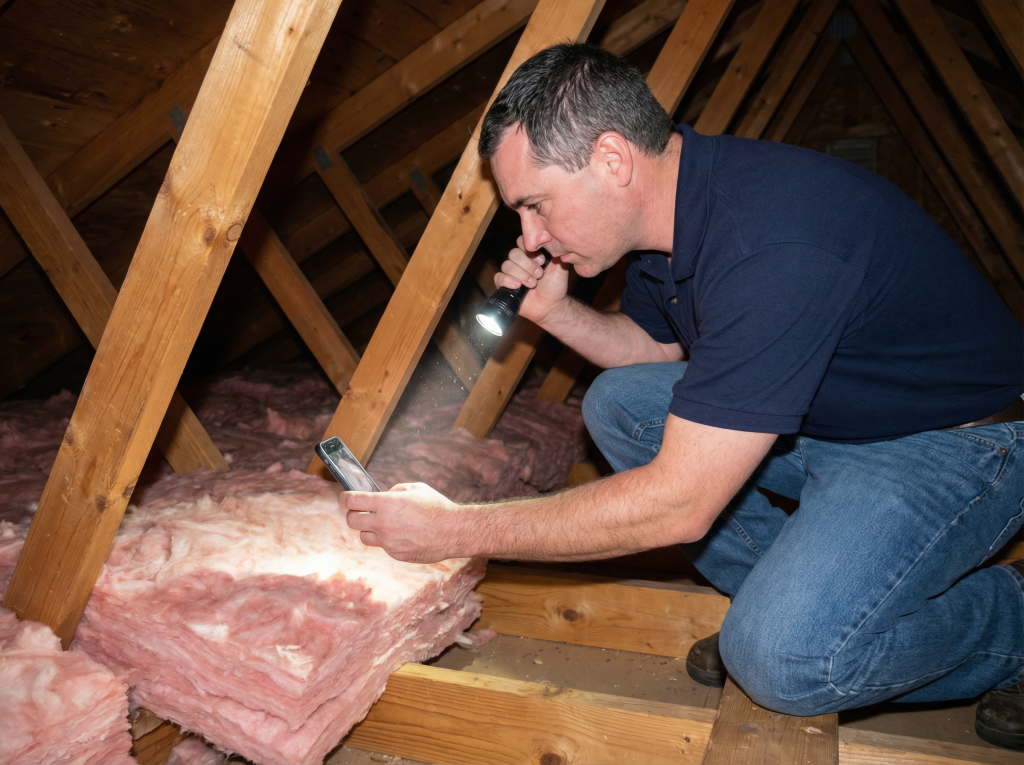
In the pursuit of an energy-efficient home, many homeowners overlook a silent yet significant issue: unseen air leaks. These leaks, often hidden and undetected, can drastically affect a home’s energy consumption and, ultimately, the utility bills. Identifying and addressing these leaks is crucial for maintaining energy efficiency and ensuring a comfortable living environment.
The Impact of Air Leaks
Air leaks are common culprits behind energy inefficiency in homes. According to energy studies, air leaks can account for 25-40% of the energy used for heating and cooling in a typical residence. When air escapes through gaps around windows, doors, and other structural components, HVAC systems must work harder to maintain desired temperatures, leading to increased energy use and costs.
Common Sources of Air Leaks
Professional inspectors often find several typical areas where air leaks occur:
- Gaps around windows and doors
- Attic hatches and pull-down stairs
- Crawl spaces and basements
- Electrical outlets and switch plates
- Ductwork connections
Addressing these areas can significantly improve a home’s energy efficiency. Homeowners should consider sealing gaps with weatherstripping or caulking, and ensuring that attic insulation is properly installed to minimize heat loss.
Benefits of Professional Home Inspection
A thorough home inspection can identify unseen air leaks that might be missed by an untrained eye. Inspectors utilize advanced tools, such as thermal imaging cameras and blower door tests, to pinpoint and assess the severity of air leaks. Their expertise ensures that all potential sources of energy loss are identified and addressed effectively.
In conclusion, addressing unseen air leaks is essential for enhancing a home’s energy efficiency. Homeowners should consider scheduling a professional home inspection to uncover and rectify these silent saboteurs, optimizing energy use and reducing utility bills in the process.