Carbon monoxide is a silent danger in many homes, often going undetected until it’s too late. Unlike natural gas, carbon monoxide is odorless, making it impossible to smell. This poses a significant risk for homeowners and property buyers. Understanding the risks and preventive measures is crucial for safety and peace of mind.
Understanding Carbon Monoxide Risks
Carbon monoxide is a byproduct of burning fossil fuels such as gas, oil, and coal. Common household sources include malfunctioning furnaces, gas stoves, and fireplaces. Without proper ventilation, carbon monoxide can accumulate, leading to symptoms such as headaches, dizziness, and even fatal poisoning.
Detection and Prevention Strategies
Since carbon monoxide cannot be detected by smell, homeowners should take proactive measures to ensure safety:
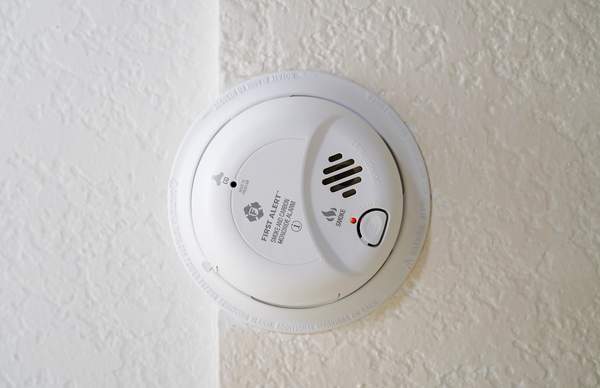
- Install Carbon Monoxide Detectors: Place detectors near sleeping areas and on each level of the home. Regularly test and replace batteries to ensure functionality.
- Regular Maintenance: Have heating systems, water heaters, and other fuel-burning appliances inspected annually by professionals.
- Ensure Proper Ventilation: Ensure that vents and flues are unobstructed to allow safe escape of exhaust gases.
Industry Standards and Recommendations
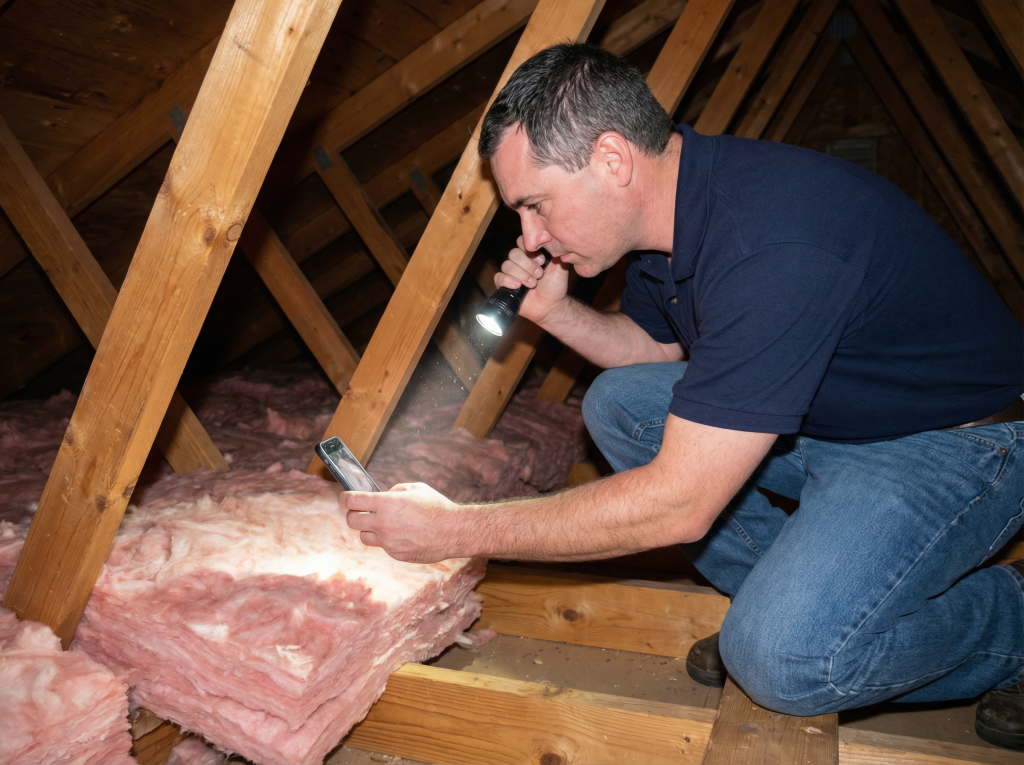
Industry standards, such as those set by the International Association of Certified Home Inspectors (InterNACHI), emphasize the importance of professional inspections. These standards recommend comprehensive checks of all potential carbon monoxide sources during routine home inspections.
Homeowners should consider additional safety measures such as avoiding the use of fuel-burning appliances indoors without proper ventilation and not running vehicles in attached garages.
Conclusion
Carbon monoxide poses a serious safety risk that requires vigilant prevention and detection strategies. Regular home inspections can identify potential hazards, providing homeowners with peace of mind and ensuring a safe living environment. Engaging professional inspection services is a critical step in safeguarding a property against such invisible threats.