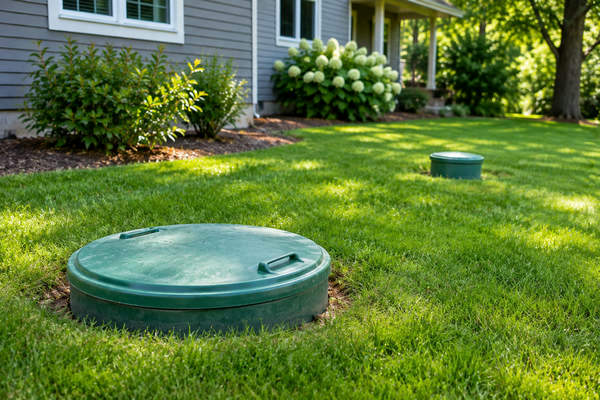
Blocked septic system pipes can be a troublesome issue for homeowners, often leading to unpleasant odors and potential water damage. Understanding the causes of these blockages is crucial for maintaining a healthy septic system. This article outlines common causes of blocked septic pipes and offers valuable advice on how homeowners can prevent these issues, emphasizing the importance of regular maintenance and professional inspections.
Common Causes of Blocked Septic Pipes
Blockages in septic system pipes can arise from a variety of sources. Recognizing these can help homeowners take preventive measures.
- Flushing Non-Biodegradable Items: Items such as wipes, diapers, and feminine hygiene products do not decompose easily and can obstruct pipes.
- Grease Buildup: Cooking oils and grease can solidify within pipes, leading to severe blockages over time.
- Tree Root Intrusion: Roots from nearby trees may grow into septic pipes, causing significant damage and blockages.
Practical Tips for Preventing Blockages
Homeowners can adopt several strategies to reduce the risk of blockages in septic system pipes.
- Mindful Flushing: Only flush materials that are safe for septic systems, such as toilet paper and human waste.
- Grease Disposal: Avoid pouring grease down the drain. Instead, dispose of it in designated containers.
- Regular Maintenance: Schedule routine septic tank pumping every 3 to 5 years, as recommended by industry standards.
- Tree Management: Plant trees and shrubs at a safe distance from septic system components to prevent root intrusion.
Conclusion
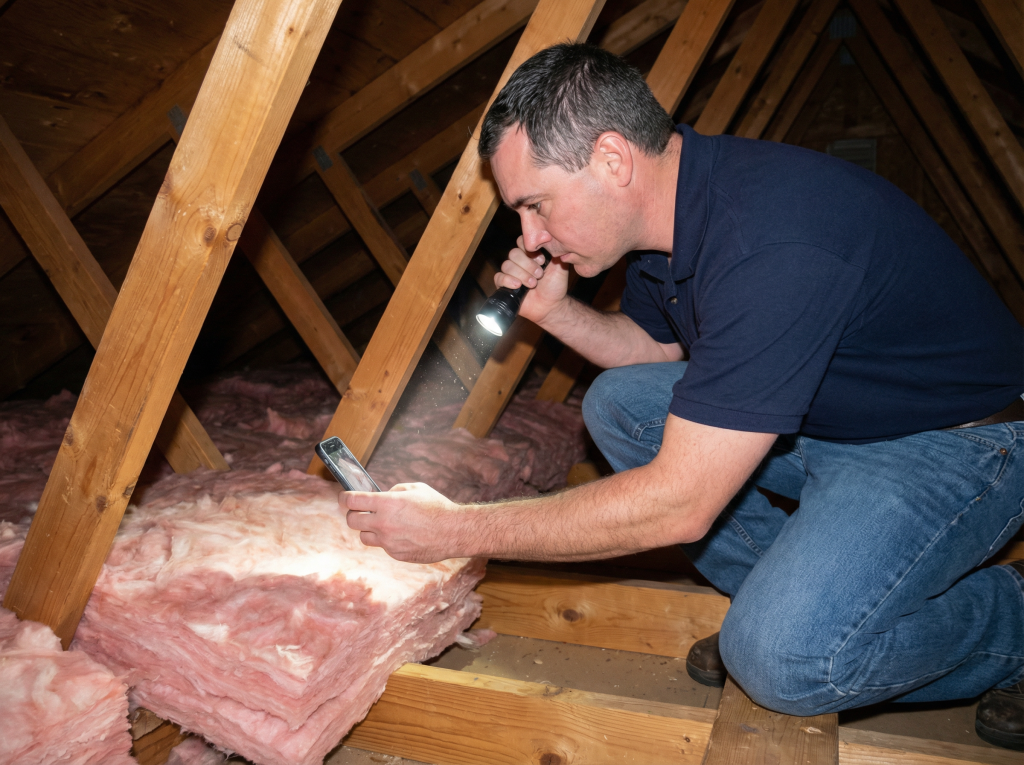
Understanding the causes of septic pipe blockages and implementing preventive measures can save homeowners from costly repairs. Regular maintenance and professional inspections are essential in ensuring the longevity and efficiency of a septic system. Engaging the services of a home inspection professional can provide peace of mind by ensuring any visible issues are promptly identified and addressed.