
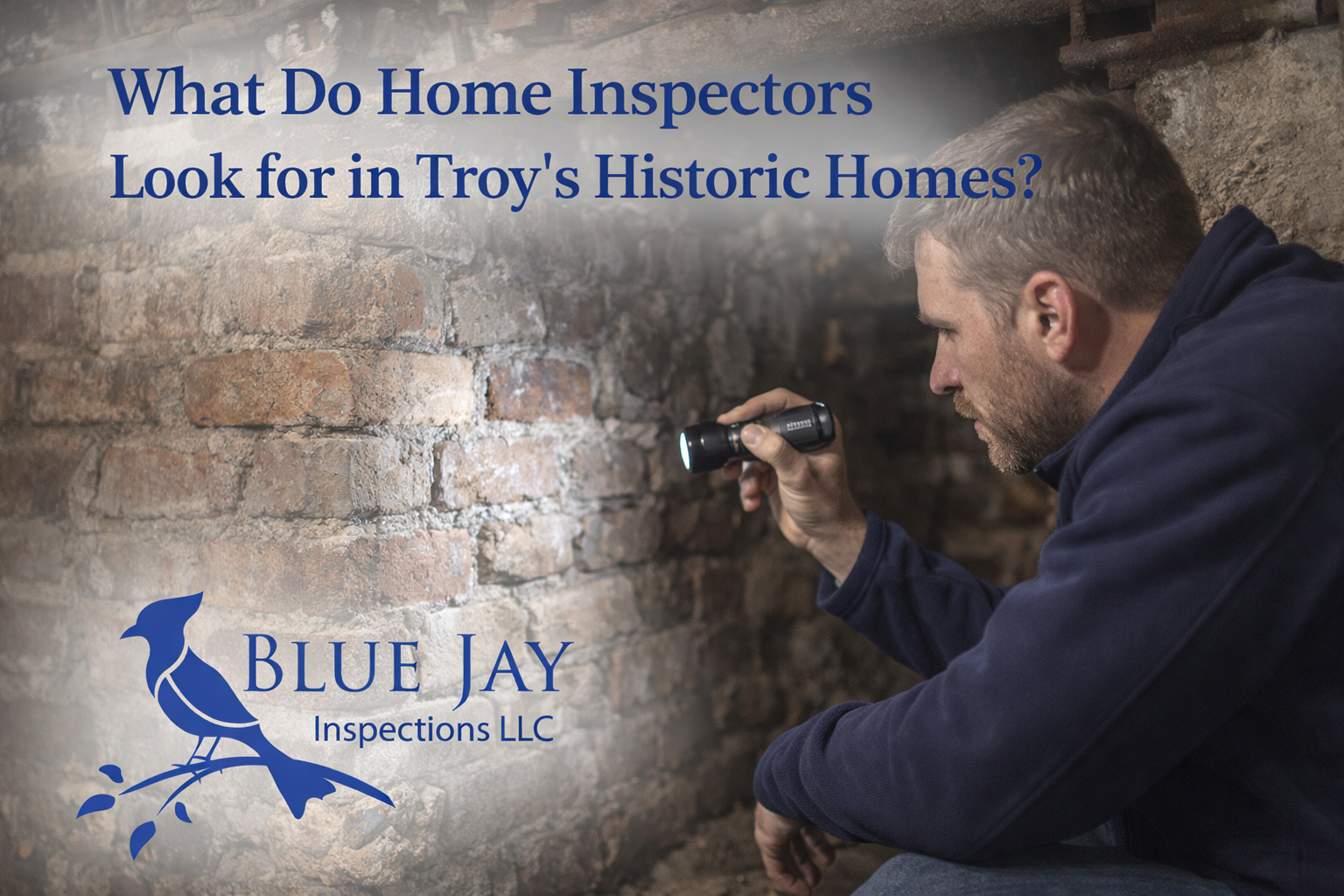
What Are Inspectors Checking in Troy’s Older Homes?
Home inspectors in Troy’s historic homes focus on structural integrity, outdated systems, moisture issues, and safety concerns common in older properties. This includes evaluating foundations, roofing, electrical wiring (often outdated), plumbing systems, heating systems, and signs of water intrusion or deterioration.
Because many homes in Troy date back to the 1800s and early 1900s, inspections are more detailed and require an understanding of historic construction methods and materials.
Why Historic Homes in Troy Require Specialized Inspections
Troy is known for its beautiful brownstones, Victorian homes, and historic districts, but these properties often come with hidden challenges:
- Aging infrastructure and materials
- Multiple renovations over decades
- Outdated electrical and plumbing systems
- Moisture issues in basements and masonry
- Preservation-related limitations on repairs
A thorough inspection helps buyers understand what’s original, what’s been updated, and what may need immediate attention.
Key Areas Home Inspectors Evaluate in Troy’s Historic Homes
Foundation & Structure
Historic homes often feature stone, brick, or rubble foundations, which behave differently than modern poured concrete.
Inspectors look for:
- Cracks, bowing, or settlement
- Moisture intrusion or efflorescence
- Uneven floors or sagging framing
- Structural modifications from past renovations
Common in Troy:
- Fieldstone foundations with moisture seepage
- Settling due to age or soil movement
Roofing & Exterior
Older roofs and exterior materials may be near the end of their lifespan.
Inspection includes:
- Roof covering condition (shingles, slate, etc.)
- Flashing and chimney integrity
- Gutters and drainage systems
- Exterior siding, brickwork, or brownstone condition
Local concerns:
- Slate roofs requiring specialized maintenance
- Brick deterioration and mortar wear (repointing needs)
Electrical Systems (Major Focus Area)
Electrical systems are one of the most critical concerns in historic homes.
Inspectors check:
- Knob-and-tube wiring
- Fuse panels vs. modern breakers
- Grounding and bonding
- Overloaded or unsafe circuits
- DIY or outdated upgrades
Why it matters:
Outdated electrical systems can be a fire hazard and may need full replacement.
Plumbing Systems
Plumbing in historic homes may include materials no longer used today.
Inspectors evaluate:
- Supply lines (galvanized, copper, PEX)
- Drain lines (cast iron, clay)
- Water pressure and flow
- Signs of leaks or corrosion
Common findings in Troy:
- Galvanized pipes restricting water flow
- Aging sewer lines connected to city systems
Heating Systems
Heating systems in older homes are often outdated or inefficient.
Inspection includes:
- Boiler or furnace condition
- Radiators and distribution systems
- Venting and exhaust systems
Typical issues:
- Older boilers still in operation
- Lack of maintenance or upgrades
Windows, Doors & Insulation
Historic homes often retain original features—but these can impact efficiency.
Inspectors look for:
- Drafty or single-pane windows
- Door alignment and sealing
- Insulation levels in walls and attic
Considerations:
- Energy inefficiency
- Preservation restrictions on replacements
Attic & Ventilation
Attics often reveal hidden problems.
Inspection includes:
- Ventilation adequacy
- Insulation condition
- Signs of roof leaks or mold
Common in Troy:
- Poor ventilation leading to moisture buildup
- Evidence of past roof leaks
Basement & Moisture Issues
Moisture is one of the most common concerns in historic homes.
Inspectors check:
- Water intrusion
- Drainage and grading
- Sump pumps (if present)
- Mold or mildew
Local issues:
- Damp basements due to older foundation types
- Limited waterproofing systems
Additional Inspections Recommended for Historic Homes in Troy
Mold Assessment
Older homes with moisture issues may require mold testing.
Recommended when:
- There’s a musty smell
- Visible staining or past water damage exists
🚽 Sewer Scope Inspection
Highly recommended due to the age of infrastructure.
Benefits:
- Identifies root intrusion or pipe collapse
- Prevents expensive sewer repairs
Termite (WDI) Inspection
Wood-destroying insects can cause hidden damage.
Especially important if:
- Wood framing is near soil
- There’s evidence of past infestations
Common Red Flags in Troy’s Historic Home Inspections
Buyers should be aware of these potential deal-impacting issues:
- Knob-and-tube wiring still in use
- Significant foundation movement
- Sewer line damage or failure
- Roof nearing end of life
- Extensive moisture or mold problems
What Buyers Should Expect During the Inspection
If you’re buying a historic home in Troy:
- Plan for a longer, more detailed inspection
- Attend the inspection and ask questions
- Expect a more extensive report than newer homes
- Be prepared for specialist referrals (electricians, masons, etc.)
Can Historic Homes Still Be a Good Investment?
Absolutely—but only with the right expectations.
Historic homes in Troy offer:
- Unique architecture and craftsmanship
- Strong long-term value
- Desirable locations
However, they also require:
- Ongoing maintenance
- Potential upgrades to modern standards
- A clear understanding of condition before purchase
Final Thoughts: Buying a Historic Home in Troy, NY
Troy’s historic homes are some of the most beautiful properties in Upstate New York—but they come with complexities that require a thorough and knowledgeable home inspection.
Understanding what inspectors look for helps you:
- Make informed buying decisions
- Budget for repairs and upgrades
- Avoid unexpected surprises after closing
Working with an experienced inspector ensures you fully understand the property’s condition—past, present, and future.